
As temperatures drop and the days grow shorter, many of us start preparing our homes for winter. We pull out warmer clothes, schedule heating-system maintenance (if we happen to be uber-responsible) and make plans for the holidays.
It may be worth giving our health the same seasonal checkup.
Fall is a good time to review vaccinations, medications, home safety and everyday routines before winter “sets in.” A few small preparations now can make it easier to stay healthy, active and connected throughout the months ahead.
Winter months are full of celebrations, parties, family events and travel. We want to stay as healthy as possible to enjoy every cookie we can!
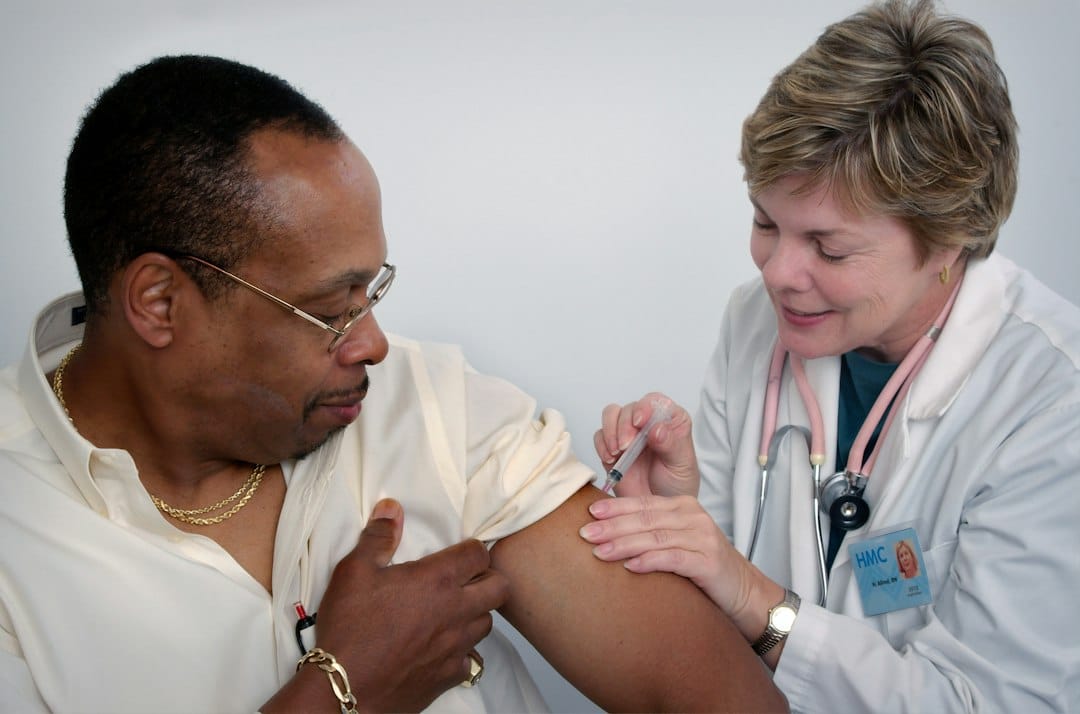
Start with vaccination record
October is an ideal time to review which vaccinations you have received and which may be due.
The annual flu vaccine is particularly important for older adults because the risk of serious complications from influenza increases with age. Adults age 65 and older may also be advised to receive a flu vaccine specifically formulated for older adults.
This is also a good opportunity to ask about other vaccines.
Adults age 75 and older are currently recommended to receive an RSV vaccine if they have not already had one. Adults ages 50 to 74 who have certain health conditions or other factors that increase their risk of severe RSV may also be candidates. Unlike the flu shot, however, the RSV vaccine is not currently an annual vaccination.
Pneumococcal vaccination recommendations have expanded as well, and many adults age 50 and older may now be eligible depending on their vaccination history.
And don’t forget shingles. Adults 50 and older are generally advised to receive the two-dose Shingrix series, even if you’ve previously had shingles.
One way to keep track of everything is to keep track of every recommendation yourself, bring your vaccination history to your physician or pharmacist and ask a simple question: “Am I up to date?”

Take a look at medications
Winter storms, holiday travel and pharmacy closures can make an ordinary prescription refill unexpectedly complicated. For anyone who has ever been delayed while traveling and spent hours trying to transfer a prescription, we all know that an ounce of prevention here is gold.
Take a few minutes this fall to make sure your medication list is current. Check prescription bottles for remaining refills and expiration dates, and make sure you have enough medication to get through travel or periods of bad weather. Fingers crossed you won’t need it, but as they say in the military, “Two is one, and one is none.”
If you take several medications, this is also a good time to ask your physician or pharmacist for a medication review. So many of us have delinquent prescriptions floating around, may be taking the wrong dose of medication or may be taking medication we don’t actually need. A medication review is an excellent idea before flu season hits and doctor’s appointments are urgent.
Finally, keep an updated medication list somewhere easy to find, and consider giving a copy to the family member or friend who would be most likely to help you in an emergency. It’s hard to remember every prescription and dosage on the best day, let alone when you’re feeling miserable and barely able to hold your head up.
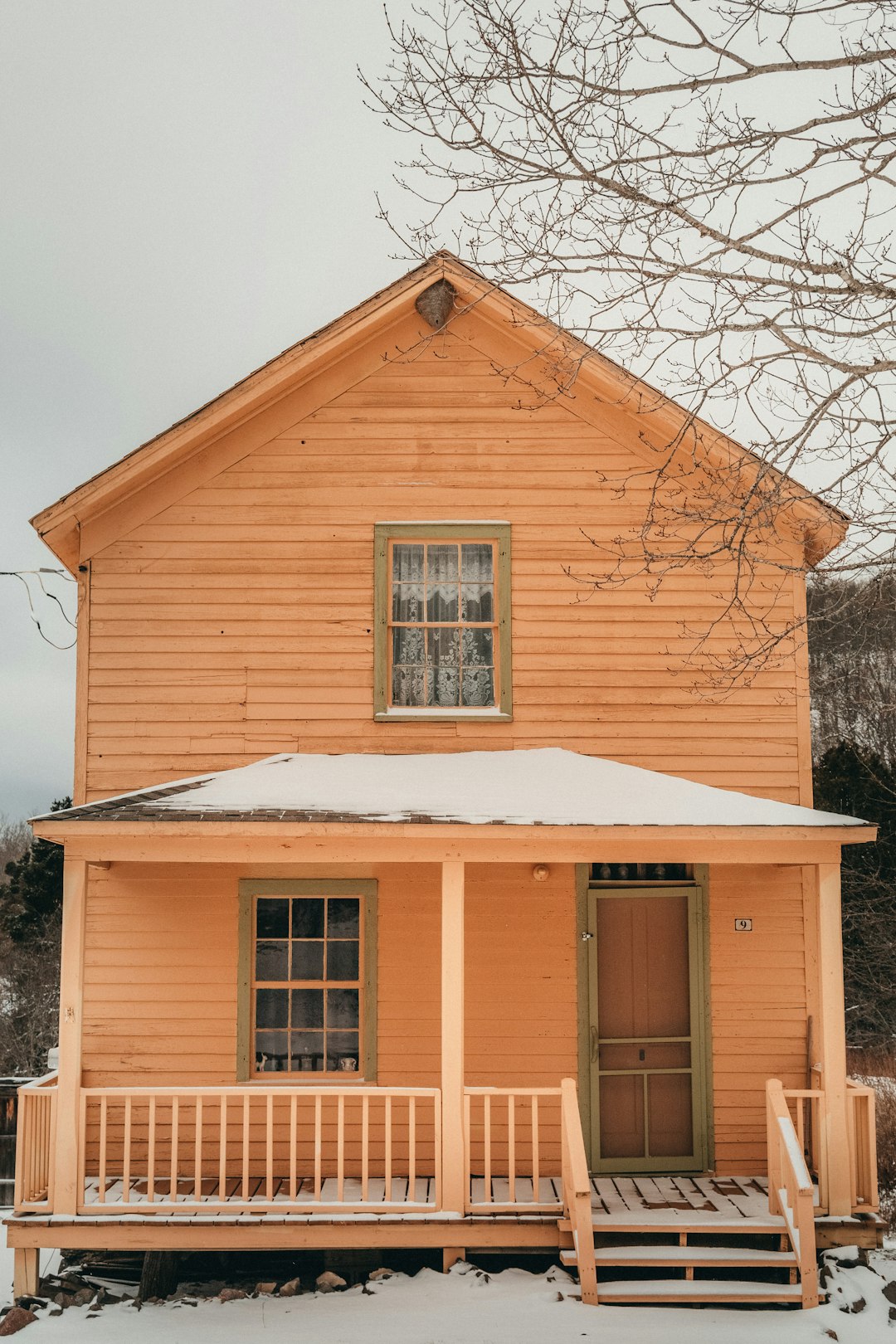
Make your home safer before the days get shorter
Falls can happen any time of year, but winter can introduce additional hazards: darker evenings, wet leaves, ice, bulky clothing and more time spent indoors.
Walk through your home with fresh eyes.
Are hallways and stairways well lit? Are there loose rugs or cords in walking paths? Are handrails secure? Do exterior steps need better lighting?
This is also the season to test smoke and carbon-monoxide detectors and make sure fireplaces, furnaces and space heaters are being used safely.
Small changes now can prevent much larger problems later.
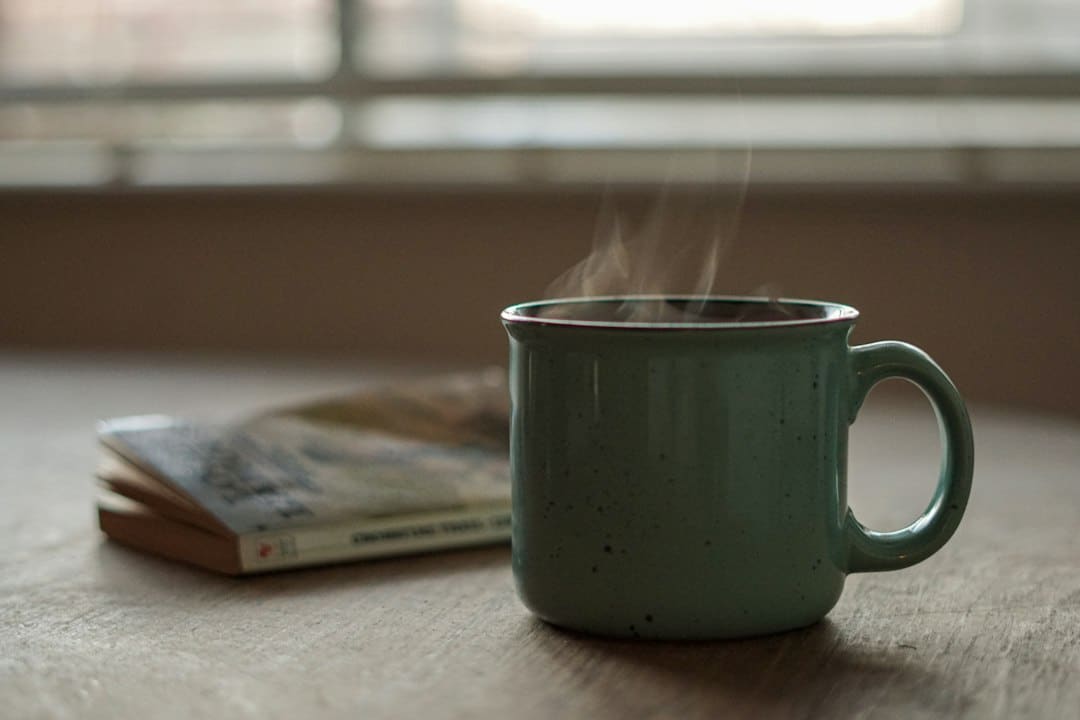
Don’t forget hydration in cold weather
Most of us think about dehydration with hot summer days, but it doesn’t disappear when the temperature drops.
Older adults may experience a reduced sensation of thirst (as we get older, our body’s internal system is less sensitive), and people sometimes drink less water during cooler months simply because they don’t feel as thirsty.
Keep water on hand throughout the day. Soups, fruit, decaffeinated beverages and other foods containing water can contribute to hydration as well. We know water can get boring, so think of how to hydrate in various ways, and it won’t seem like such a chore.
If your physician has advised you to restrict fluids because of a heart, kidney or other medical condition, follow those individualized recommendations.
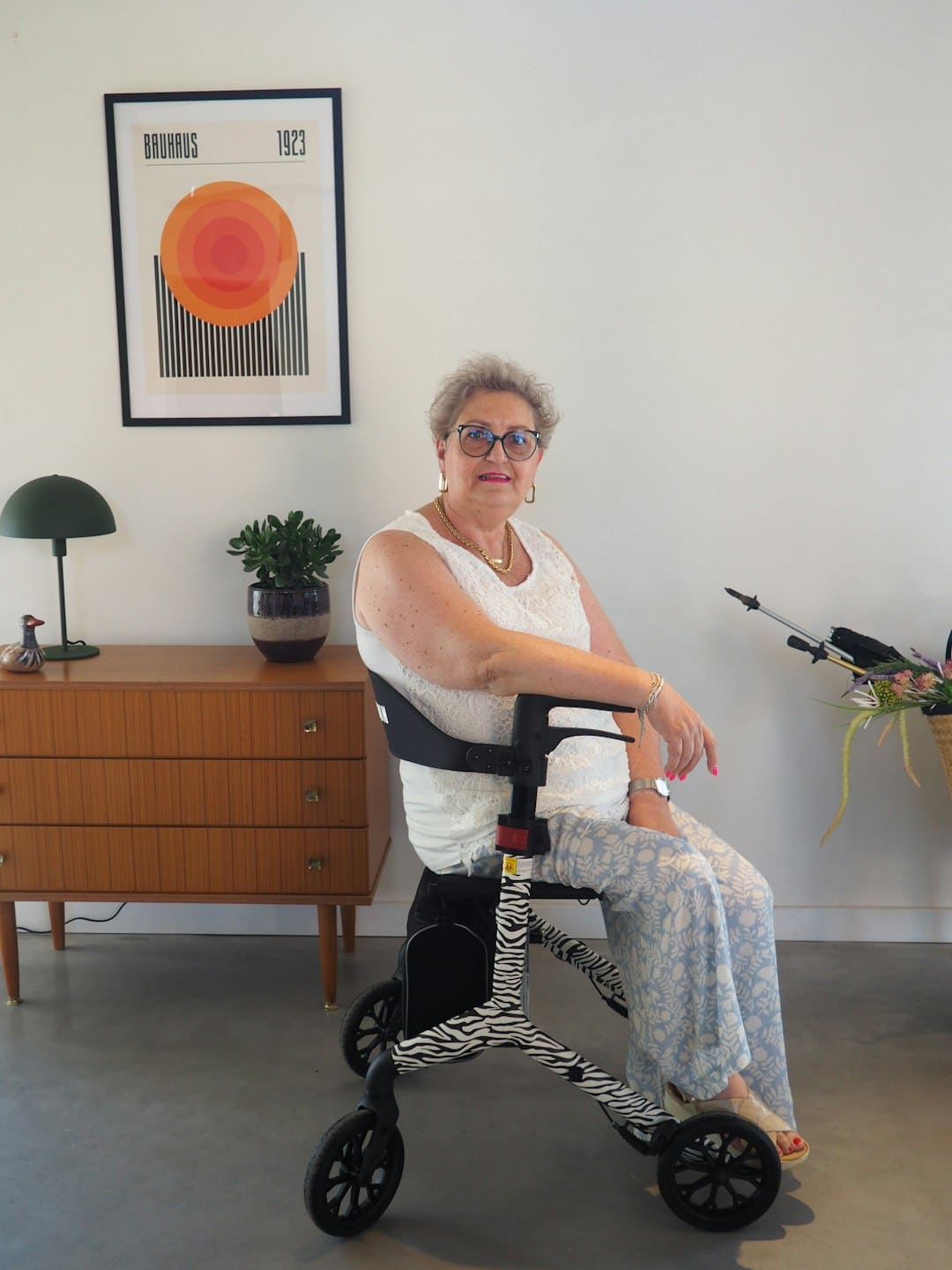
Have a bad-weather plan for movement
It’s easy for an active routine to disappear when cold temperatures, rain or ice make walking outside less appealing.
Instead of waiting for the first miserable day to figure out an alternative, create your winter movement plan now.
That might mean walking at an indoor mall, joining a local exercise class, using a stationary bicycle, following a gentle exercise video at home or simply scheduling short periods of walking and stretching throughout the day.
The goal doesn’t have to be an elaborate fitness program. Consistency matters.
Stock the kitchen before you need it
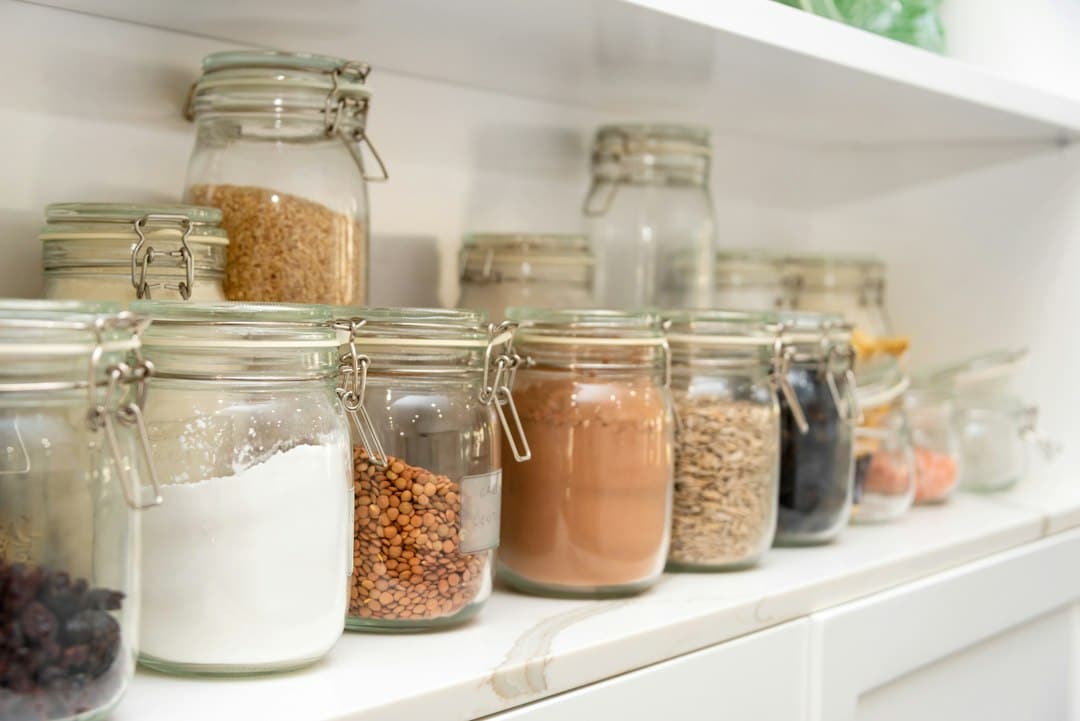
Consider keeping a small supply of easy, healthy meals available for days when weather makes shopping challenging or you simply don’t feel well enough to cook. It’s easy to think you’ll feel like cooking at noon, and then 6 p.m. rolls around. Your energy is gone, and the kitchen seems like a mile hike, both ways, in the snow.
Frozen vegetables, canned beans, low-sodium soups, whole grains, frozen meals, fruit, eggs and other staples can provide much better options than discovering at 6 p.m. that the refrigerator is empty and the only thing we have on hand is cereal, no milk.
Also, if you rely on delivered meals, caregivers or family members for groceries, talk about a backup plan for severe weather.

Make a plan for connection, too
Winter wellness isn’t only physical.
Shorter days, bad weather, illness and holiday changes can sometimes mean more time alone—particularly for people who no longer drive or who have lost a spouse or close friends.
Think ahead about the people and activities that help you feel connected. Schedule regular phone calls. Attend a class, faith gathering or community program. Ask a neighbor to check in during bad weather. Make plans before isolation has a chance to settle in.
For many people, seniors alike, winter months can bring on Seasonal Affective Disorder (SAD), which makes hibernation all the more appealing. Social isolation makes all depression harder, so be sure to plan for a healthy mood as much as a healthy body.
And if you notice persistent sadness, anxiety, loss of interest, changes in sleep or appetite, or difficulty functioning, mention it to your healthcare provider. Mental health deserves the same attention as physical health.
Know what you’ll do if you get sick
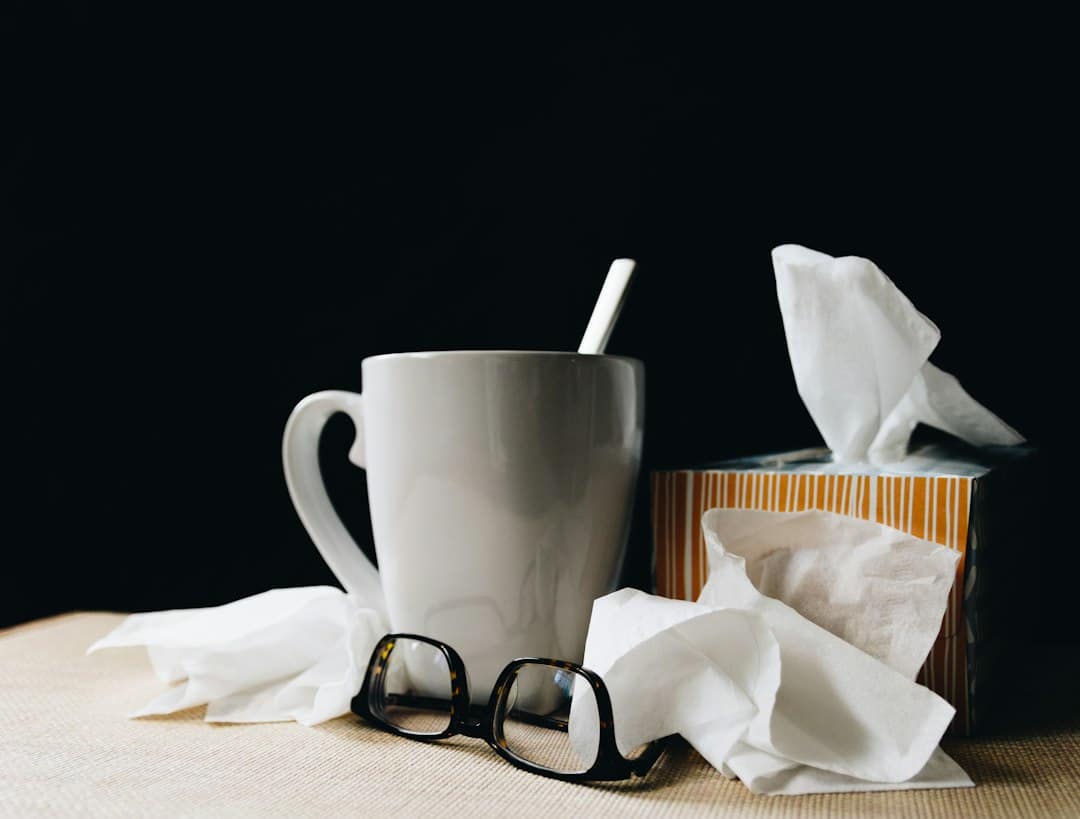
Finally, don’t wait until you’re sick to decide what to do.
Know how to contact your primary-care office after hours and where the nearest urgent-care center is located. Keep your insurance information and medication list accessible.
Older adults are at increased risk for complications from illnesses such as influenza and RSV, so early communication with a healthcare professional can be important.
Some symptoms shouldn’t wait. Severe difficulty breathing, persistent chest pain or pressure, new confusion, inability to stay awake or other symptoms that appear life-threatening warrant emergency care.

A little preparation goes a long way
Winter doesn’t have to catch us off guard.
A few thoughtful steps taken now—checking medications, reviewing vaccines, making the home safer, planning for movement and staying connected—can make the colder months feel more manageable.
At Aging Outreach Services, we believe aging well is often built through small, practical choices made before a problem arises. Preparation doesn’t mean expecting the worst. It means creating a little more safety, confidence and peace of mind for the season ahead.
To help you get started, we’ve created a printable Winter Health Check you can keep at home, share with a loved one or bring to your next healthcare appointment.
Because sometimes the best way to take care of winter is to prepare for it before it arrives in a flurry of cold and winter bluster.
Get Our Newsletter
Navigating life after 50 can be complex for you and your loved ones. We're here to help with tips, advice, and answers to questions. When you sign up for our newsletter, we'll let you know by email when we publish new articles that can help you.