
Senior Care Advocacy for Older Adults and Families
Making Sure Your Loved One’s Voice Is Heard and Their Needs Are Met
Navigating healthcare, senior living, and long-term care decisions can be overwhelming, especially when an aging loved one is facing multiple medical conditions, cognitive changes, or increasing care needs.
Families often find themselves advocating for a parent or spouse while trying to understand medical recommendations, communicate with providers, coordinate services, and ensure their loved one receives appropriate care.
Many families find themselves asking:
At Aging Outreach Services, our Aging Life Care Professionals® serve as knowledgeable advocates for older adults and their families, helping communicate individual needs, coordinate with healthcare and service providers, address concerns, and promote care decisions that respect each person’s wishes and preferences.


What Is Senior Care Advocacy?
Senior care advocacy involves representing and promoting the needs, preferences, rights, and well-being of older adults as they navigate healthcare, caregiving, housing, and long-term support services.
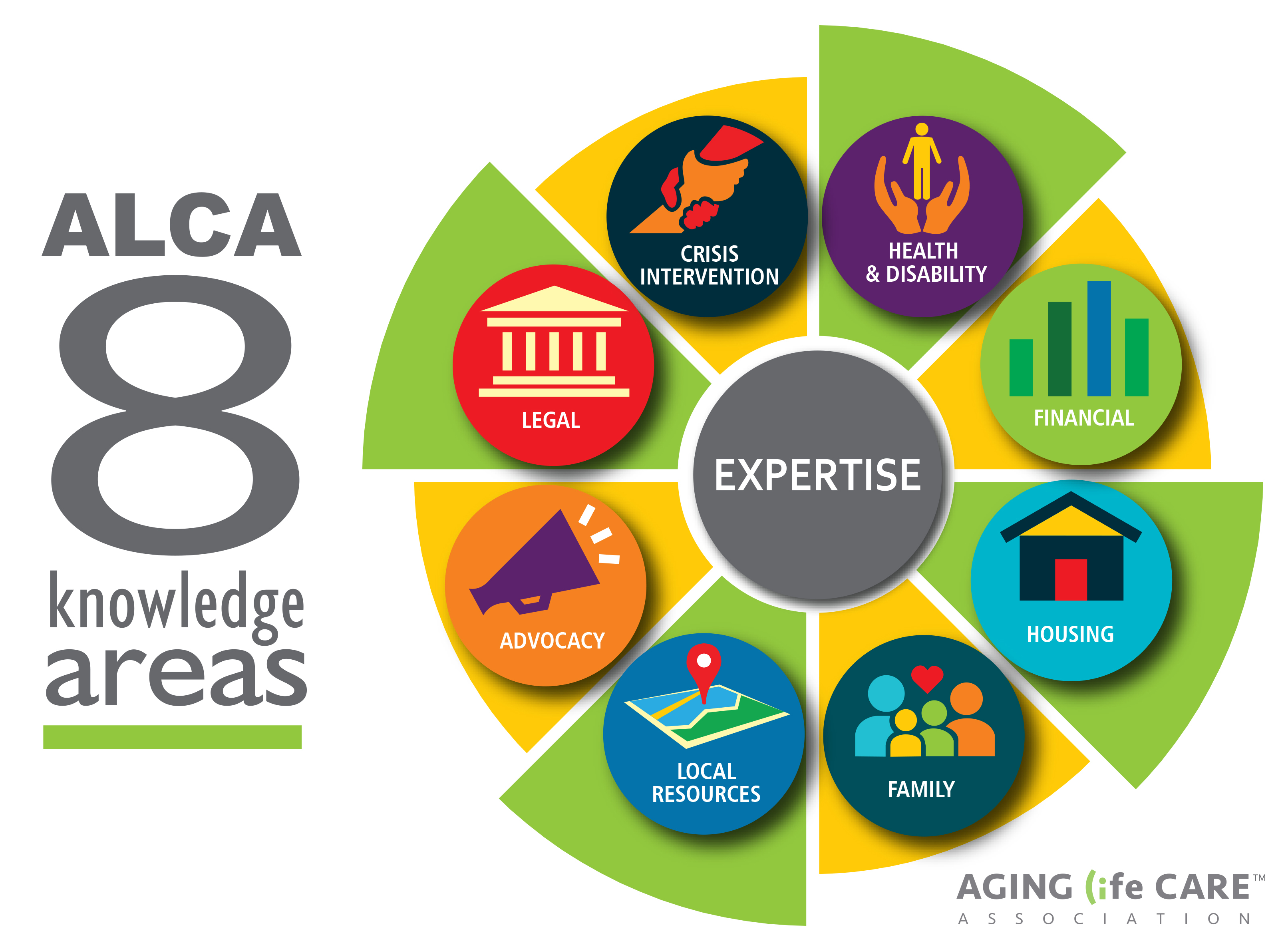
As one of the core areas of expertise for Aging Life Care Professionals®, advocacy focuses on ensuring that an individual’s voice remains central to important care decisions and that concerns are appropriately communicated to those responsible for providing services.
Our Aging Life Care Professionals help families:
The goal is to help ensure that older adults receive appropriate support while maintaining as much choice, independence, and control over their lives as possible.
Trusted Senior Care in Moore County and Throughout North Carolina
First, I would like to express our deepest gratitude to your caregiver referrals, who were, to say the least, a godsend. It is very hard to put into words what they did for my family, not just for my Dad. Their compassion was extraordinary, their skill set was incredible and scheduling flexibility was remarkable. They were hard working, and most importantly, they were so kind and thoughtful to my Dad no matter what his mood was on any particular day. Their actions engendered a trust from all of us so that we felt comfortable to have them in our home and caring for Dad. - Terry Shultz
Get Our Newsletter
Navigating life after 50 can be complex for you and your loved ones. We're here to help with tips, advice, and answers to questions. When you sign up for our newsletter, we'll let you know by email when we publish new articles that can help you.
How Aging Life Care Professionals Advocate for Older Adults and Families

Healthcare Advocacy & Medical Appointments
Medical appointments can be confusing, especially when multiple physicians, specialists, medications, and treatment recommendations are involved.
Our Aging Life Care Professionals help families:
By helping older adults and families communicate effectively with healthcare providers, we support more informed decisions and better coordination of care.

Protecting Individual Rights, Wishes & Preferences
Every older adult deserves to be treated with dignity, respect, and compassion.
As health conditions change, it becomes increasingly important to ensure that personal wishes and preferences remain central to care planning.
Our team helps families:
Our advocacy is guided by the individual’s goals, preferences, and rights, including their right to participate in decisions to the extent they are able.

Coordinating Communication Among Care Providers
When several professionals are involved in an older adult’s care, important information can become fragmented or overlooked.
Our Aging Life Care Professionals help coordinate communication among:
We help ensure that care-related information is shared appropriately, concerns are communicated, and everyone involved understands the individual’s needs and care plan.

Resolving Care Concerns & Service Challenges
Families sometimes encounter situations where services are delayed, communication breaks down, or a loved one’s needs are not being adequately addressed.
Our team helps families navigate:
We work collaboratively with providers and families to identify concerns, explore appropriate solutions, and advocate for timely attention to the individual’s needs.

Hospitalization, Rehabilitation & Care Transitions
Hospitalizations and changes in care settings can be stressful for older adults and their families.
Important decisions often need to be made quickly regarding discharge plans, rehabilitation services, home care, and long-term support.
Our Aging Life Care Professionals help families:
Having an experienced advocate involved can help families navigate transitions more confidently and reduce the risk of important care needs being overlooked.

Advocacy for Dementia & Cognitive Challenges
Individuals living with Alzheimer’s disease or other forms of dementia may have increasing difficulty communicating their needs, understanding care options, or expressing preferences.
Our Aging Life Care Professionals help families:
Our goal is to help ensure that individuals experiencing cognitive changes continue to receive compassionate care that respects their dignity, personal history, and remaining abilities.

Recognizing When Your Loved One May Need a Senior Care Advocate
Many families don’t realize that professional advocacy is available until they encounter a difficult healthcare or caregiving situation.
You may benefit from working with an Aging Life Care Professional if:
Seeking professional advocacy early can help families address concerns, improve communication, and make more informed decisions before situations become more complicated.
Benefits of Working With an Aging Life Care Professional
A Trusted Voice for Your Loved One
We help communicate the individual’s wishes, preferences, and care needs so they remain central to important decisions.
Better Healthcare Communication
Families benefit from more organized communication among physicians, caregivers, healthcare providers, and authorized representatives.
Greater Confidence in Care Decisions
Professional guidance helps families better understand available options and participate in informed decision-making.
Reduced Family Stress
Having an experienced advocate involved can help ease the burden of navigating complex healthcare and caregiving situations.
Improved Care Coordination
We help identify gaps in services, address changing needs, and promote a more consistent, coordinated approach to care.


Why Families Trust Aging Outreach Services
At Aging Outreach Services, we understand that advocating for an aging loved one can be emotionally challenging, particularly when important healthcare and long-term care decisions are involved.
Our Aging Life Care Professionals provide compassionate guidance, professional advocacy, and personalized care coordination to help older adults and their families navigate complex situations.
Whether you need assistance communicating with physicians, addressing care concerns, coordinating providers, navigating a hospitalization, or advocating for a loved one with dementia, our team is here to help.
We believe every older adult deserves to have their voice heard, their wishes respected, and their needs thoughtfully addressed.

Start With a Consultation
Let’s Talk About Your Family’s Situation
Every family’s situation is different. The first step is a conversation about your loved one’s needs, your concerns, and the challenges you’re experiencing.
During your consultation, we will:

Book Your Free Consultation With a Senior Care Specialist
Concerned that an aging loved one’s needs aren’t being adequately addressed?
Whether you’re navigating healthcare decisions, coordinating multiple providers, dealing with a difficult care transition, or advocating for someone with dementia, Aging Outreach Services can help.
Our Aging Life Care Professionals provide the guidance, communication, and care coordination families need to advocate more confidently for their loved ones.
Fill out the form below and a member of our team will contact you shortly.
Frequently Asked Questions
An Aging Life Care Professional advocates for older adults by communicating their needs and preferences, coordinating with healthcare providers, addressing care concerns, and supporting informed decisions. Their role is to help ensure the individual’s wishes remain central to care planning and that their needs are appropriately addressed.
Yes. When appropriate and authorized, Aging Life Care Professionals may attend medical appointments, help prepare questions, communicate concerns, clarify recommendations, and coordinate follow-up care. This support can be particularly helpful when an older adult has multiple medical conditions or family members live far away.
An Aging Life Care Professional can help families organize their concerns, communicate with providers, request clarification, coordinate additional evaluations when appropriate, and identify possible next steps. The goal is to promote clear communication and appropriate attention to the older adult’s needs.
Yes. Aging Life Care Professionals help families communicate the needs and preferences of individuals living with dementia, coordinate specialized services, address safety concerns, and promote person-centered care. They work with the individual and authorized decision-makers as appropriate.
A caregiver typically provides hands-on assistance with daily activities such as bathing, dressing, meals, and companionship. An Aging Life Care Professional focuses on assessment, advocacy, care planning, communication, and coordination of services rather than routine hands-on caregiving.
Yes. Aging Outreach Services can help long-distance family members coordinate local services, communicate with healthcare providers when authorized, monitor changing care needs, and address concerns that may be difficult to manage from another location.
Professional advocacy may be helpful when an older adult has multiple medical conditions, experiences frequent hospitalizations, develops cognitive challenges, faces care quality concerns, or needs assistance navigating complex healthcare and caregiving decisions.

Schedule a Consultation
If you’re concerned about an aging loved one’s healthcare, safety, quality of care, or ability to communicate their needs, you don’t have to navigate these challenges alone.
Contact Aging Outreach Services today to learn how working with an Aging Life Care Professional can help your family advocate for appropriate care, coordinate services, and make informed decisions with greater confidence.




©2026 by Aging Outreach Services
(910) 692-0683 • (855) 590-7673
676 NW Broad St, PO Box 2478
Southern Pines, NC 28388
AOS At Home Care is not a licensed home care agency, as defined in N.C. Gen. Stat. 131E-136(2) and does not make guarantees concerning the training, supervision or competence of the personnel referred hereunder. We refer private, high-quality caregivers to disabled and older adults.