
At a coffee shop the other day, I noticed a bag of popcorn for sale with an interesting twist: it was marketed as “high protein popcorn.”
I turned to my spouse, raised my brows and said, “What is that?” He shrugged and replied, “It’s all about protein these days.”
Indeed, it seems nutrition fads come and go. For those of us in the second act of life, we’ve been through the low-salt craze, the low-fat (and high fat) periods, the no eggs and then the some eggs era, the low carb, no carb and carb-friendly decades. It can be a lot to understand, and many of us frankly give up. Why follow today’s suggestions when the story will change tomorrow?
Or, we veer toward the other end of the spectrum, scheduling doctors appointments and seeing a nutritionist, reading magazine articles and throwing out half of our pantry before restocking with the latest suggested health miracle.
Somewhere in between, the inevitable middle ground, often lies the truth – that we shouldn’t be eating excessive amounts of salt, that high-fat diets are often linked with poor health outcomes and that simple carbs create blood sugar crashes.
So, what’s the skinny on protein?
As we age, protein becomes more important—not less. Yet many older adults are not getting enough. This can quietly contribute to muscle loss, fatigue, slower recovery, and even increased risk of falls. Understanding your protein needs is one of the simplest ways to support strength, energy, and independence over time.

How Much Protein do Seniors Need?
According to the National Resource Center on Nutrition and Aging, the general recommendation for adults is about 0.8 grams of protein per kilogram of body weight. However, research shows that older adults often benefit from more—closer to 1.0 to 1.2 grams per kilogram daily.
For a 150-pound adult, that’s roughly 68–82 grams of protein per day.
Why the Increase in Protein?
As we age, the body becomes less efficient at using protein to build and maintain muscle. This natural process, sometimes called age-related muscle loss, makes it even more important to get enough protein throughout the day. Researchers, in a review of protein needs in seniors, write, “There is good consistent evidence (level III-2 to IV) that consumption of 1.0 to 1.3 g/kg/day dietary protein combined with twice-weekly progressive resistance exercise reduces age-related muscle mass loss.”
By pairing the two habits (eating enough protein and engaging in strength training like yoga, weight lifting or other resistance training), we work the muscles and give them enough energy to get stronger.
How Does Protein Improve Health?
Protein supports more than just muscle. It plays an important role in immune function, wound healing, and overall energy levels. Getting enough protein can help older adults stay active, recover more easily from illness, and maintain a higher quality of life.
A healthy body means the ability to do more, see more and engage more in the things we love: travel, sports, socializing and just about any other form of connection we can think of. From playing with grandkids to driving a car, our bodies and brains work together to get us there.
How Do I Get Enough Protein?
One of the most effective strategies is to spread protein intake evenly across meals.
Instead of having most of your protein at dinner, aim for a consistent amount at breakfast, lunch, and dinner.
For example:
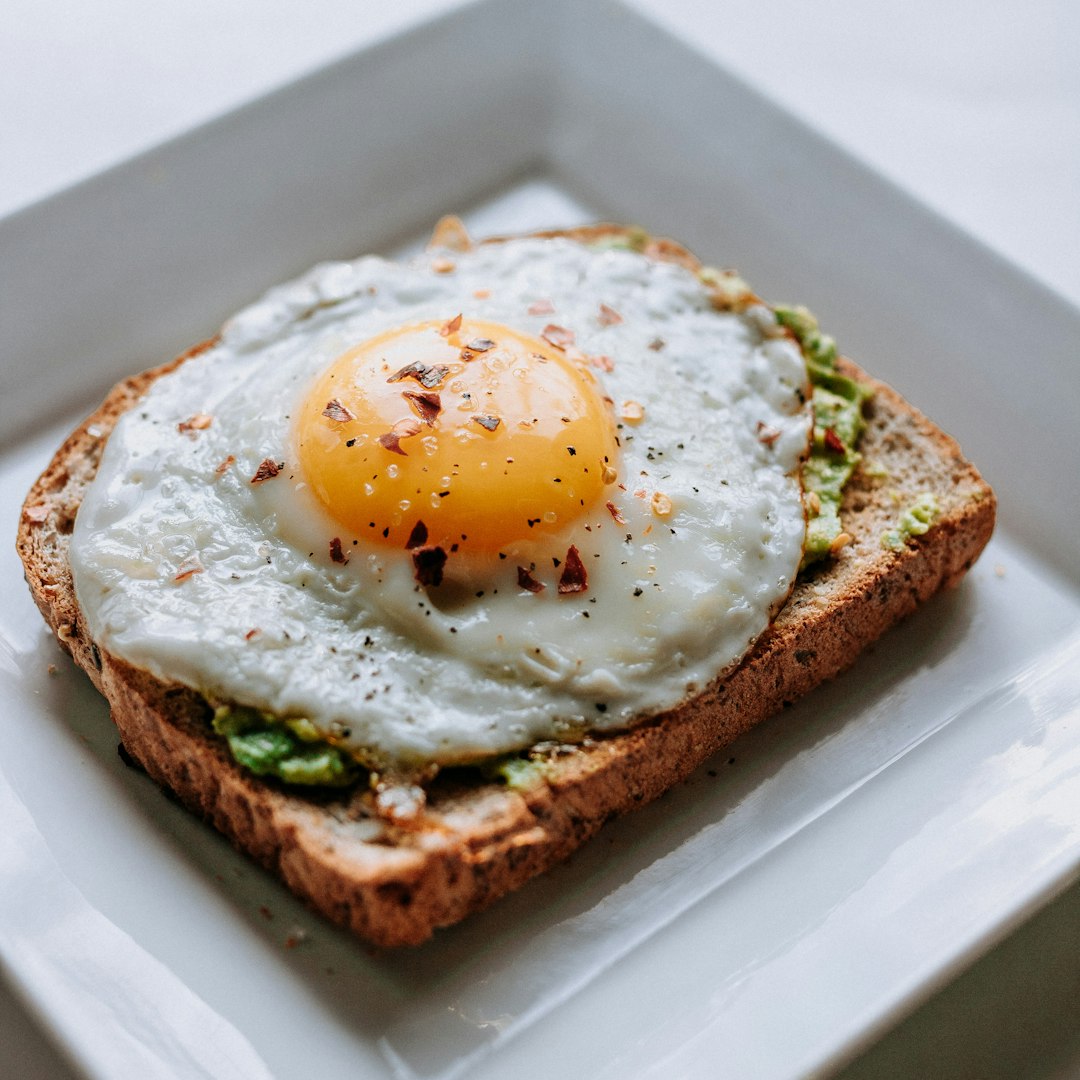
• Breakfast: Greek yogurt, eggs, or cottage cheese
• Lunch: Chicken salad, lentil soup, or a turkey sandwich
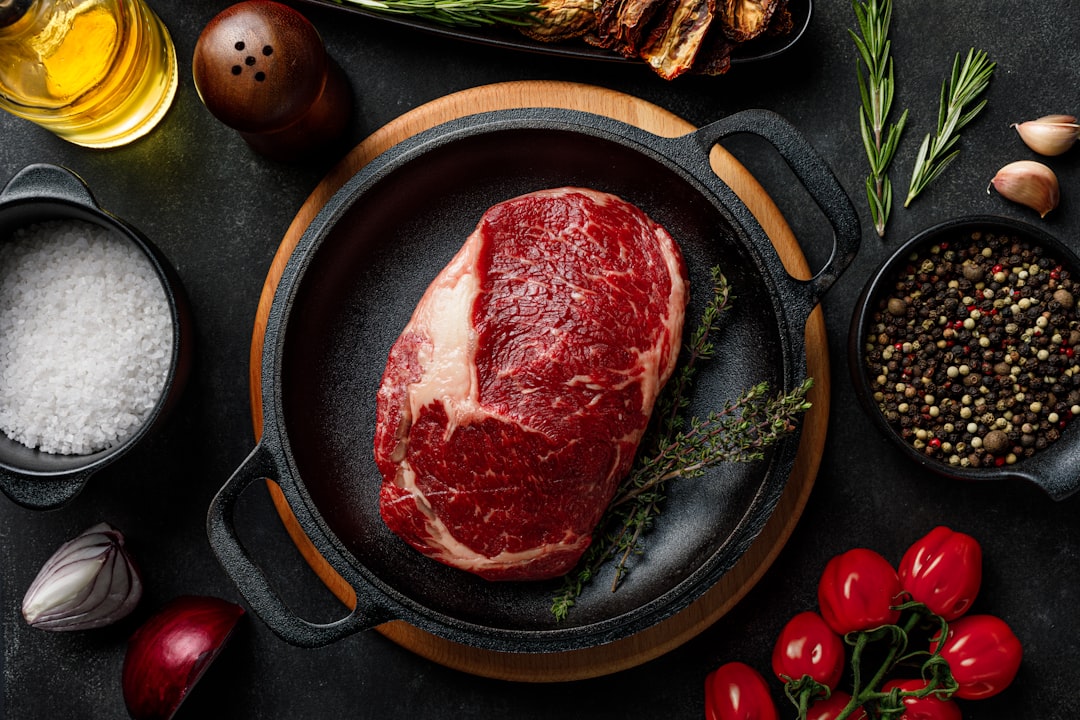
• Dinner: Fish, lean beef, or beans with vegetables (Learn more about Superfoods for Seniors here.)
Snacks can also help fill in the gaps.
Options like nuts, cheese, hard-boiled eggs, or protein-rich smoothies can make it easier to meet daily goals without large meals.
How Do Special Needs Affect Protein Intake?
For some older adults, appetite changes, dental issues, or digestive issues can make eating enough protein hard. In these cases, softer options like yogurt, scrambled eggs, soups, or protein shakes may be helpful. It’s also important to focus on foods that are both nutritious and enjoyable—eating should still be fun and taste good!
The cost of food can also impact how much protein we eat. Let’s face it: meat can be expensive! But there are other, more budget-friendly options including:
• Eggs
• Dairy (Greek yogurt is great)
• Beans (dried or canned)
• Canned tuna/salmon
• Peanut butter (just pay attention to calories – it can add up)
Also, hydration and overall calorie intake matter, too. Protein works best when paired with a balanced diet that includes fruits, vegetables, and healthy fats.
If you’re unsure about your specific needs—especially if you have kidney disease or other health conditions—it’s wise to speak with a healthcare provider or dietitian.
The Bottom Line on Protein Intake & Seniors
Protein is a key building block for healthy aging. With a few intentional choices each day, it’s possible to support strength, stability, and long-term wellness—one meal at a time.
Get Our Newsletter
Navigating life after 50 can be complex for you and your loved ones. We're here to help with tips, advice, and answers to questions. When you sign up for our newsletter, we'll let you know by email when we publish new articles that can help you.