
Last week, my son suggested using technology to track my sleep. I immediately did an internal eye roll. What is with these kids and their apps? But then, I got to thinking. Could tracking my sleep be helpful? What about my heart rate? Maybe winging it with my health isn’t doing my as many favors as I think.
Research shows that technology can make life after 50 safer, easier, and more connected. The best tools are the ones that support independence without adding stress, and research shows older adults are increasingly adopting both familiar devices and newer age-tech tools.
Technology and Aging Well
For many seniors, the right technology can support all 8 areas of wellness: physical safety, emotional connection, intellectual stimulation, and even peace of mind. In 2026, age-tech is moving beyond novelty and into practical everyday use, especially in telehealth, wearables, and smart-home support. The goal is not to replace human care, but to make daily life a little easier and a lot more manageable.
Three new technology worth exploring:
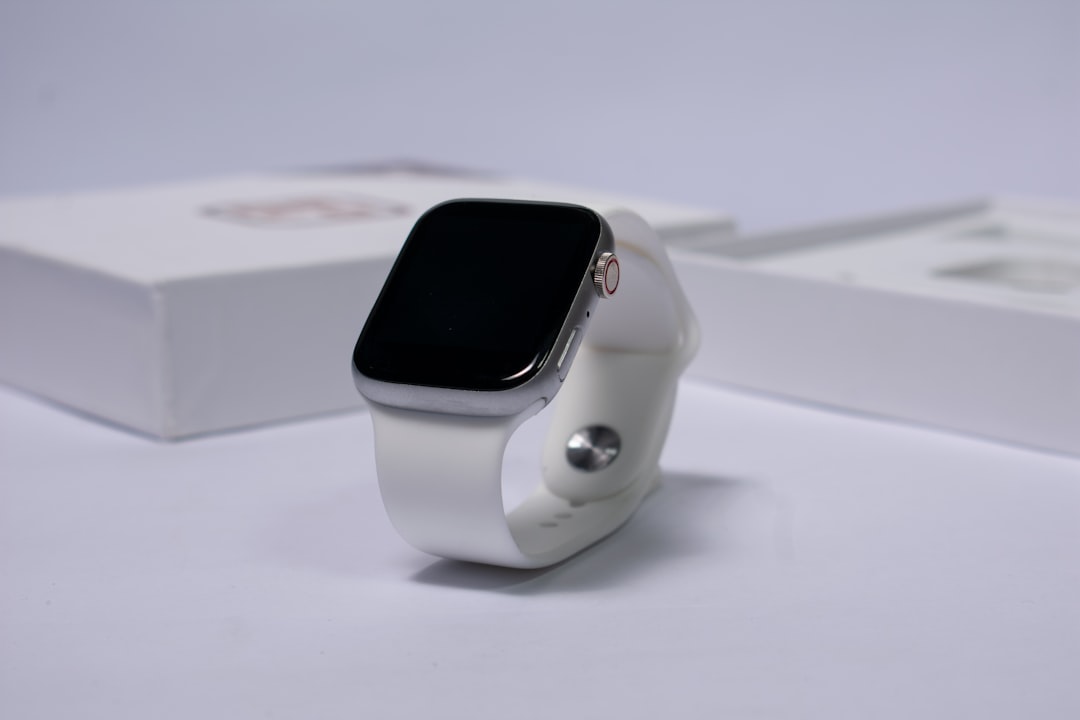
- AI-Powered health tools. These tools can help track patterns in sleep, activity and health data (such as heart rate, sleep quality, ). Some even offer personalized reminders and support. I work with a woman who has a watch, and based on her sleep quality, the app for the watch suggests how much energy or focus she might have that day. She told me last week, “It’s shockingly accurate, and I don’t look until the end of the day. But when I look at its suggestions and evaluate how I felt, it’s spot-on.”
- Remove monitoring devices. These can share health information with caregivers or clinicians. This can be helpful for people managing chronic conditions at home such as diabetes (blood sugar) or cognitive decline issues and dementia. Medical Guardian is the National Council on Aging’s #1 pick. The Aqara Door & Window Sensors are also an excellent option.
- VR & AR wellness tools. These types of technology tools are the new kids on the block. They’re being used for cognitive stimulation, guided movement and even social connection. For some people, they provide a new, fresh way to stay mentally and physically engaged. They don’t replace in-person connection, but they do offer a supplement and a way to enhance that connection. Renderer is marketed as the #1 VR tool for seniors.
Three trusted tech tools that keep life running smoothly
We’d be remiss not to mention some of the old tried-and-true technologies seniors have loved for years. These are the old reliables, the ones we know how to use and why they’re valuable.
There are also a few tried-and-true technologies that continue to benefit older adults the most:
- Wearable fitness trackers or smartwatches. These can monitor steps, heart rate, sleep. In some models, they even offer fall detection, supporting both wellness and safety. Whoop and Hume Health are two options. The Kanega Watch is also highly rated and loved by many.
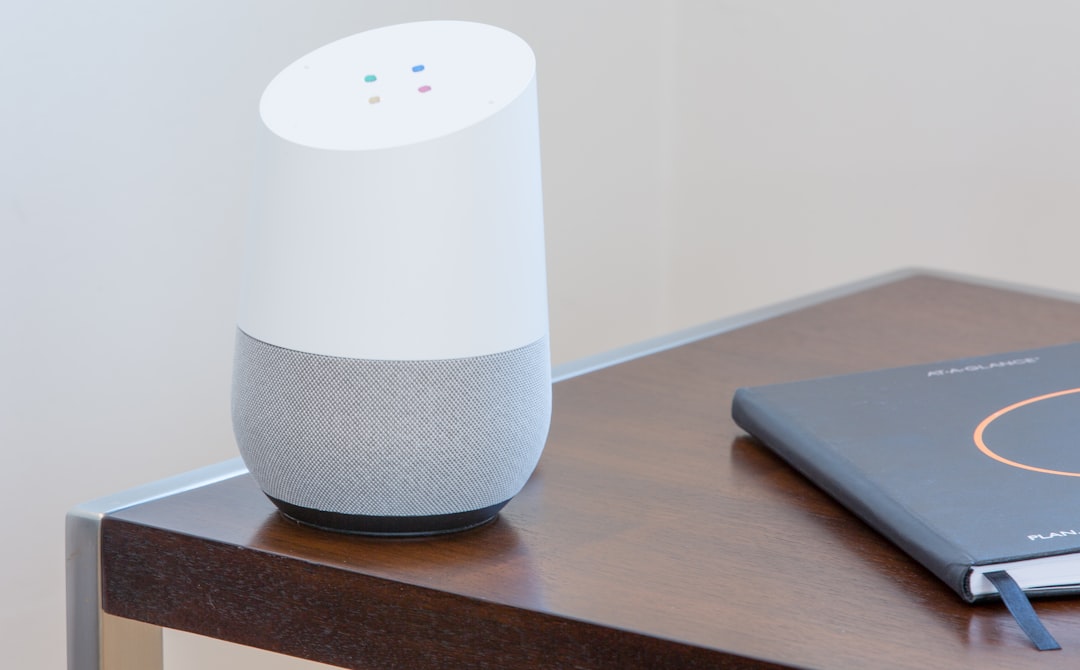
- Voice Assistants (Alexa or Google Assist). Who hasn’t at some point said: Alexa, turn on Yacht Rock? These assistants are especially helpful for reminders, weather, music, hands-free questions and smart-home control. You can turn on lights or lower the temperature before bed without having to get up or, sometimes, even be at home.
- Smartphones & Tablets. These are like the Swiss Army Knife of technology. These remain the most useful all-purpose tools for calls, texting, telehealth, photos, news, and video chatting with family. From FaceTime to a simple text reminder from your pharmacy, smart phone are the most usable, practical and ubiquitous technology around today.
What makes these technologies so valuable is that they help seniors stay more independent while staying connected. They help us bridge the gap between doing it ourselves and reaching out for help and support. In this way, these technologies don’t replace people, skills or insight. They simply support them.
Finally, remember that technologies are most useful when they’re simple, reliable, and easy to fit into daily life. For many older adults, the best tech is not the flashiest tech — it’s the kind that truly helps.
Get Our Newsletter
Navigating life after 50 can be complex for you and your loved ones. We're here to help with tips, advice, and answers to questions. When you sign up for our newsletter, we'll let you know by email when we publish new articles that can help you.