
Senior Housing & Residential Care Planning for Older Adults
Helping Older Adults Find the Right Place to Call Home
One of the most challenging decisions families face is determining where an aging loved one should live as their needs change.
Many families wonder:
At Aging Outreach Services, our Aging Life Care Professionals® help older adults and families evaluate housing options, understand care levels, and make informed decisions that support long-term well-being, safety, and independence.

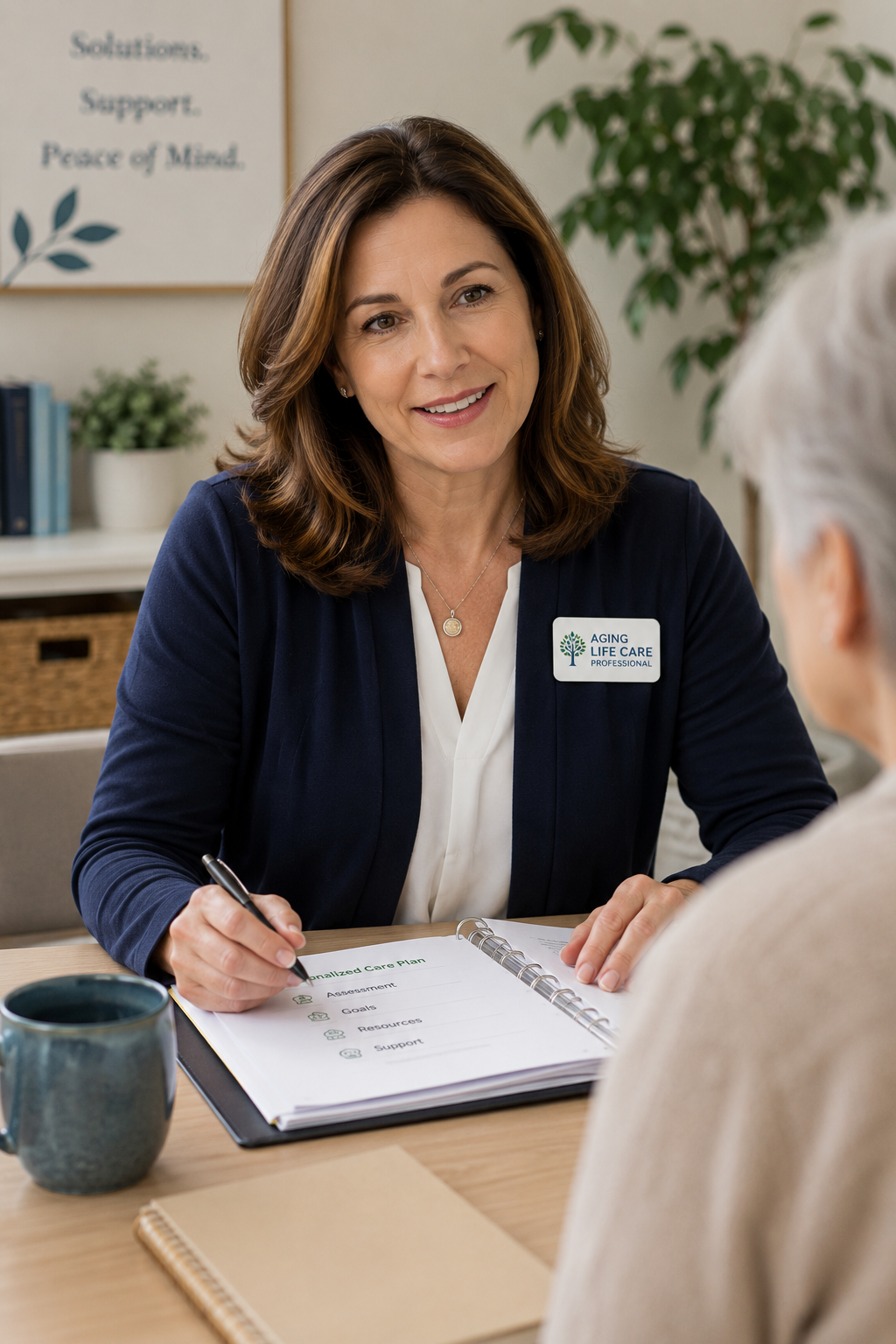
What Is Housing & Residential Care Planning?
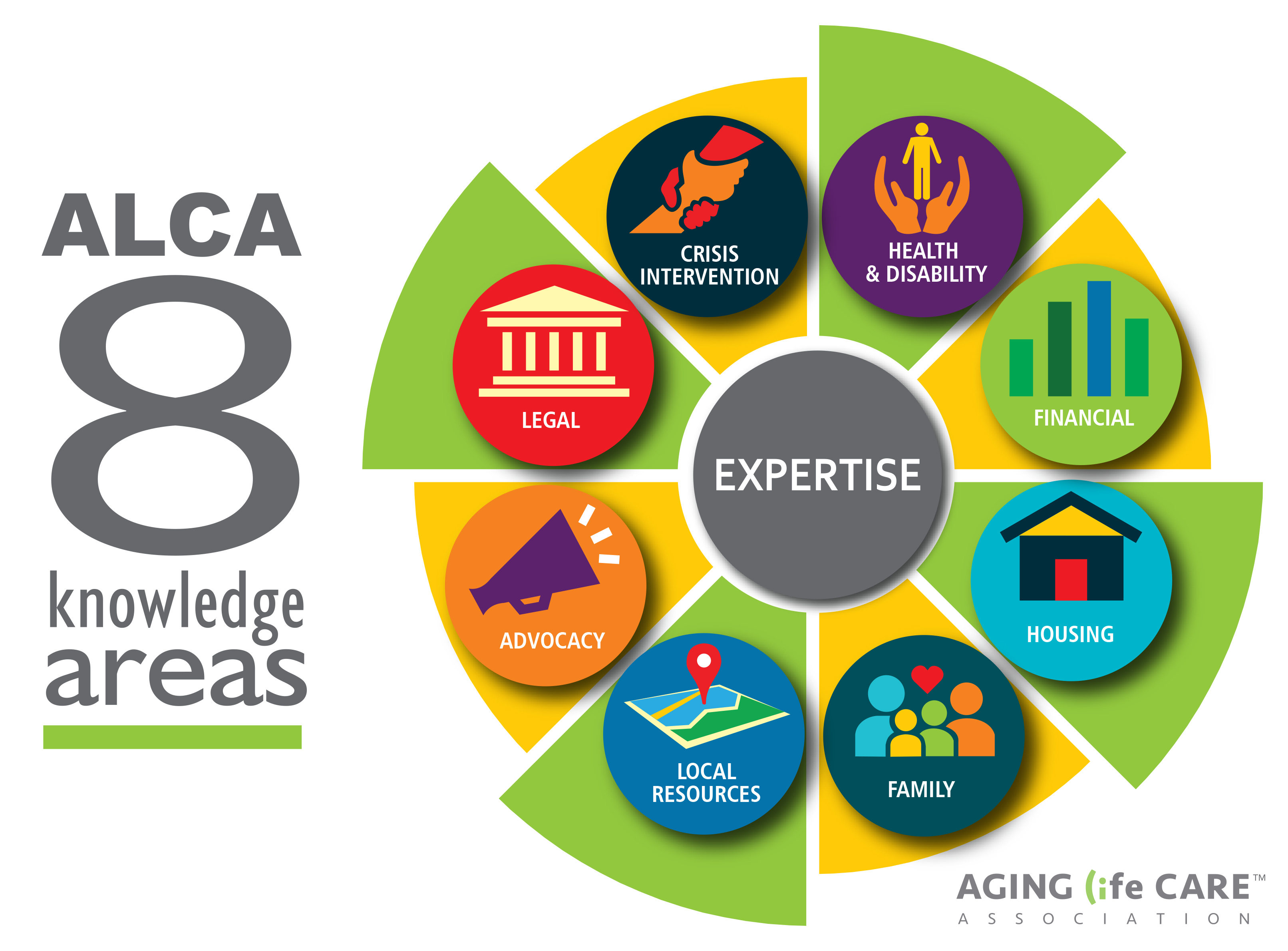
Housing and residential care planning is one of the core areas of expertise for Aging Life Care Professionals.
This process involves helping older adults and families assess current living situations, identify future needs, and evaluate appropriate housing and care options.
The goal is not simply to find a place to live - it's to find the environment that best supports an individual's health, safety, preferences, social engagement, and quality of life.
Every person's situation is unique, which is why housing decisions should be based on a comprehensive assessment rather than a one-size-fits-all approach.
Trusted Senior Care in Moore County and Throughout North Carolina
First, I would like to express our deepest gratitude to your caregiver referrals, who were, to say the least, a godsend. It is very hard to put into words what they did for my family, not just for my Dad. Their compassion was extraordinary, their skill set was incredible and scheduling flexibility was remarkable. They were hard working, and most importantly, they were so kind and thoughtful to my Dad no matter what his mood was on any particular day. Their actions engendered a trust from all of us so that we felt comfortable to have them in our home and caring for Dad. - Terry Shultz
Get Our Newsletter
Navigating life after 50 can be complex for you and your loved ones. We're here to help with tips, advice, and answers to questions. When you sign up for our newsletter, we'll let you know by email when we publish new articles that can help you.
How Aging Life Care Professionals Help With Housing Decisions

Comprehensive Living Situation Assessments
Before recommending housing options, we evaluate:
This comprehensive assessment helps determine what level of support may be needed now and in the future.
Evaluating Aging in Place Options
Many older adults wish to remain in their homes for as long as possible.
In some situations, aging in place can be a safe and appropriate option with the right support systems in place.
We help families evaluate:
Our goal is to determine whether remaining at home is both safe and sustainable.

Independent Living Communities
Independent living communities are designed for active older adults who require little or no daily assistance.
Benefits may include:
Independent living can be an excellent option for seniors seeking convenience and social engagement while maintaining their independence.
Assisted Living Communities
Assisted living provides support with daily activities while allowing residents to maintain as much independence as possible.
Services often include:
Assisted living may be appropriate when daily tasks become increasingly difficult to manage independently.

Memory Care Communities
Memory care communities provide specialized support for individuals living with Alzheimer's disease or other forms of dementia.
These communities typically offer:
Memory care can provide peace of mind for families concerned about safety, wandering, or cognitive decline.

Skilled Nursing Facilities
Skilled nursing facilities offer the highest level of residential medical care outside of a hospital.
Services may include:
These settings are often appropriate for individuals with significant medical needs or disabilities.

Recognizing When Housing Changes May Be Necessary
Many families struggle to determine when a housing transition is appropriate.
Common signs include:
Recognizing these warning signs early can help families make thoughtful decisions before a crisis occurs.
Why Families Trust Aging Outreach Services
At Aging Outreach Services, we understand that aging is rarely a one-size-fits-all journey.
Our team works closely with older adults and their families to provide compassionate guidance, personalized care planning, advocacy, and ongoing support. Whether you need assistance navigating a recent health change, coordinating care services, planning for the future, or responding to a crisis, we are here to help.
We believe every older adult deserves the opportunity to age with dignity, independence, and the highest possible quality of life.
Start With a Consultation
Let’s Talk About Your Family’s Situation
Every family’s situation is different. The first step is simply a conversation about your needs, concerns, and goals.

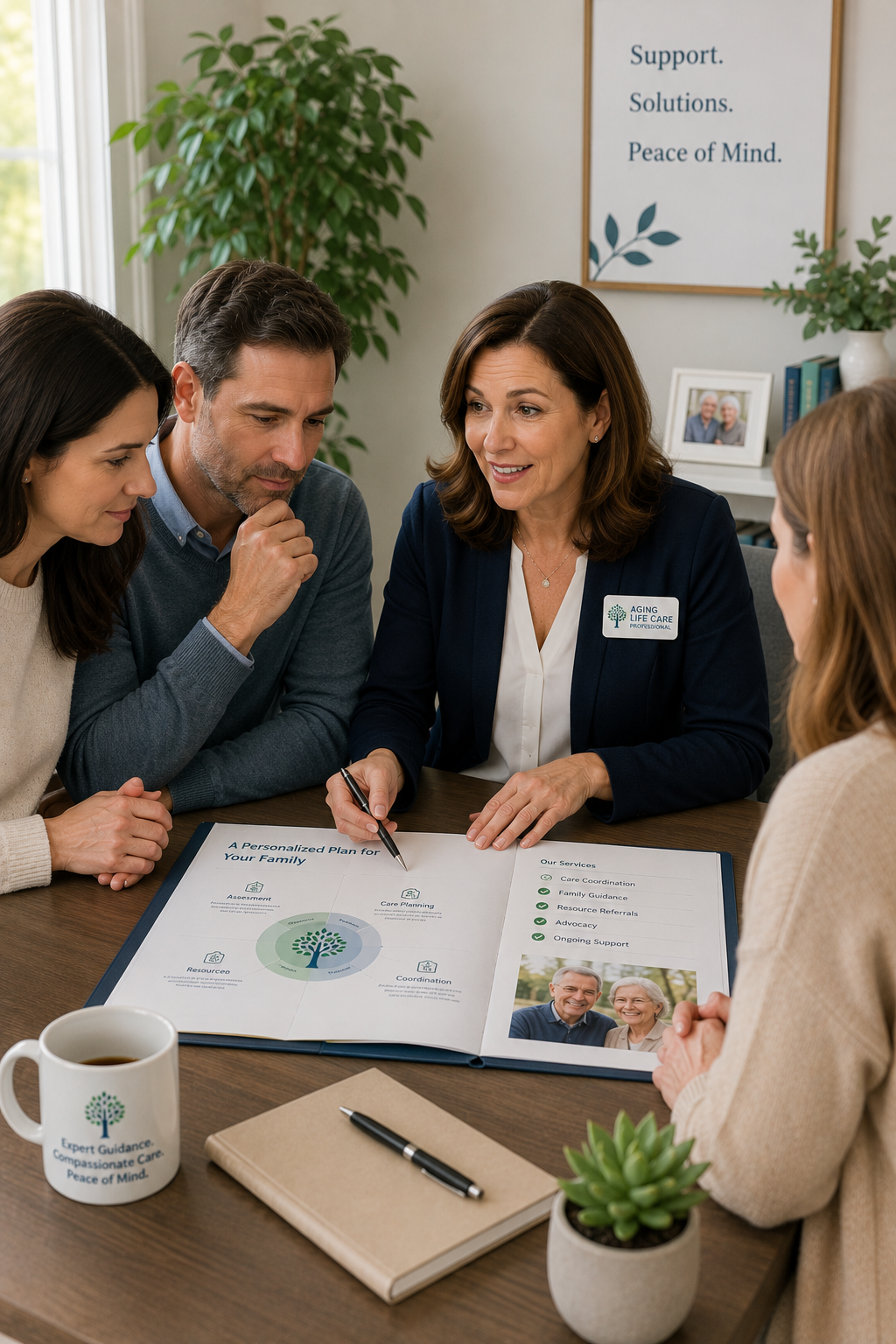
During your consultation we will:
Book Your Free Consultation With a Senior Care Specialist
Fill out the form below and a member of our team will contact you shortly.
Frequently Asked Questions
An Aging Life Care Professional evaluates an individual's needs, explains available housing options, recommends appropriate care levels, coordinates tours, and helps families make informed decisions.
Warning signs may include falls, memory loss, medication mistakes, poor nutrition, isolation, difficulty maintaining the home, and increasing healthcare needs.
Assisted living provides support with daily activities, while memory care offers specialized services and secure environments for individuals living with Alzheimer's disease or other forms of dementia.
Yes. Aging Life Care Professionals provide objective guidance, assess individual needs, compare options, coordinate tours, and help families evaluate communities.
Not necessarily. While many older adults prefer to remain at home, safety, health, social engagement, caregiving resources, and long-term sustainability should all be considered when evaluating housing choices.

Schedule a Consultation
If you're facing difficult decisions regarding an aging loved one, you don't have to navigate them alone.




©2026 by Aging Outreach Services
(910) 692-0683 • (855) 590-7673
676 NW Broad St, PO Box 2478
Southern Pines, NC 28388
AOS At Home Care is not a licensed home care agency, as defined in N.C. Gen. Stat. 131E-136(2) and does not make guarantees concerning the training, supervision or competence of the personnel referred hereunder. We refer private, high-quality caregivers to disabled and older adults.